


Cheer Up a Sad Cat: Gentle Steps That Actually Help

How do you cheer up a sad cat?
Start by figuring out what “sad” looks like for your cat, then respond with calm comfort—not pressure. Many cats withdraw, hide, sleep more, or become less playful when they’re stressed or down. Others may get clingy or vocal. The safest way to cheer a cat up is to reduce stress, meet basic needs, and offer positive, low-key interaction on their terms.
1) Rule out pain or illness first
If your cat suddenly seems depressed, stops eating, hides more than usual, has changes in litter box habits, or seems sore when touched, contact a veterinarian. Cats are experts at masking discomfort, and “sadness” can be a sign something physical is going on.
2) Give them control and a quiet “safe zone”
Set up a cozy retreat with a bed or blanket, water nearby, and a litter box that’s easy to access. Keep the area quiet and predictable. Avoid pulling them out of hiding; instead, sit nearby and let them come to you.
3) Use gentle, cat-friendly interaction
Try slow blinks, a soft voice, and short petting sessions if your cat solicits touch. Many cats prefer being petted around the cheeks and under the chin rather than the belly. If they flick their tail, flatten their ears, or tense up, give them space.
4) Add enrichment that matches their mood
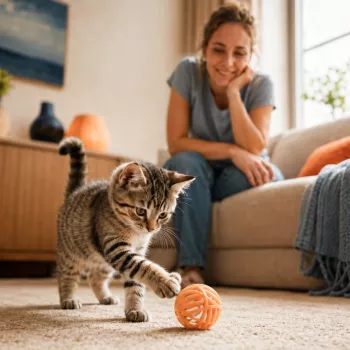
Offer low-effort play like a wand toy dragged slowly, a crinkly ball, or a treat puzzle. Rotate toys to keep interest high. Some cats feel better with vertical space—cat trees, shelves, or a window perch—so they can observe without feeling exposed.
5) Support comfort with routine and scent
Feed and play at consistent times. Keep familiar bedding unwashed for a bit so it retains comforting scent, and consider a pheromone diffuser in the main room. If there’s been a recent change (new pet, visitors, moving), scale back stimulation until your cat relaxes.
To better read what your cat is communicating, use this body language guide: cat body language cheat sheet (signals from tails, ears, and meows).
FAQ
Why is my cat suddenly less affectionate?
Sudden withdrawal can happen with stress, a change at home, or discomfort. If it’s new or paired with appetite, litter box, or mobility changes, schedule a vet check to rule out illness.















Leave a comment