


Safe Space Mapping for Stressful Talks: A Simple Plan
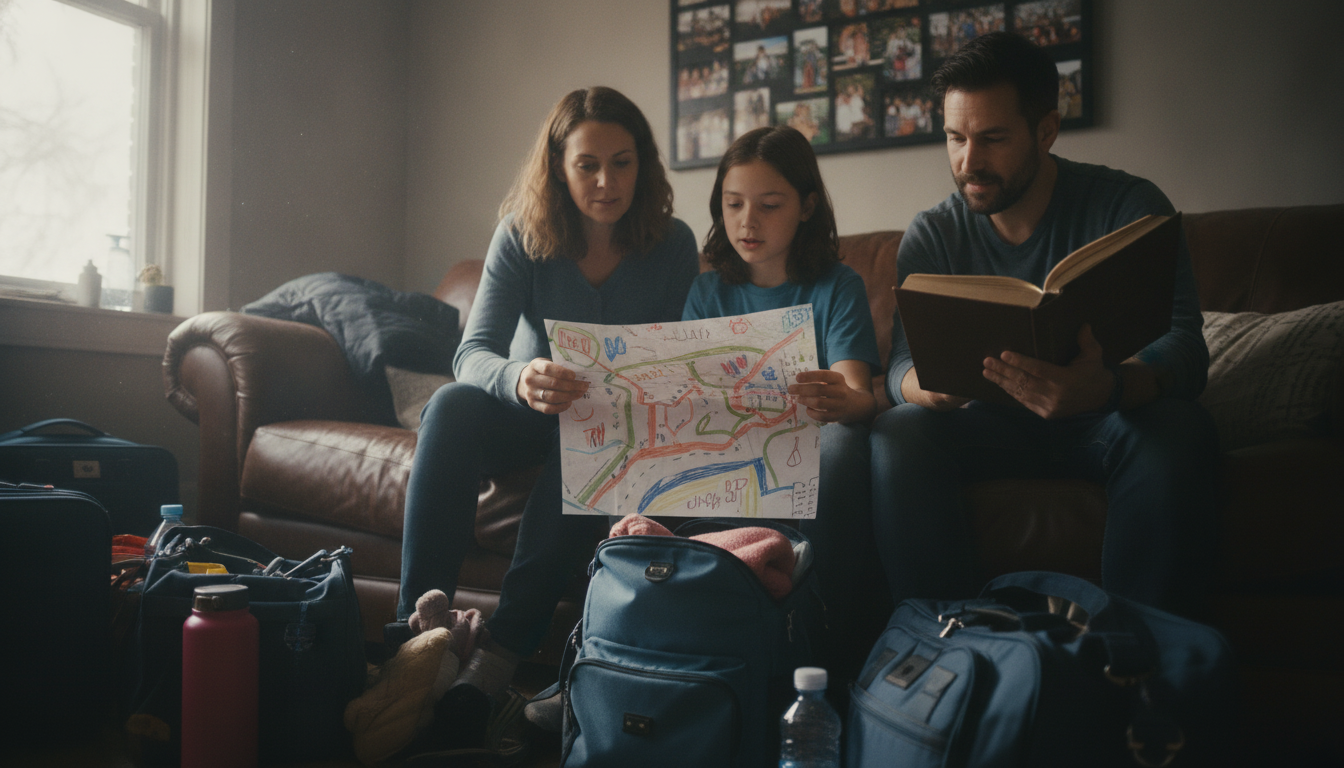
How can you use safe space mapping to plan for stressful events or difficult conversations?
Safe space mapping is a quick planning method that helps you stay grounded before and during situations that tend to spike stress—like performance reviews, family discussions, medical appointments, or boundary-setting talks. Instead of relying on willpower in the moment, you map out where you can feel steadier, who can support you, and what actions help you reset.
Start with your “anchors” (places, people, and cues)
List 3–5 places that reliably feel calmer: a quiet room, your car, a park bench, a coffee shop corner, or even a specific chair at home. Then list 2–3 people you can text or call who are steady and respectful. Add a few sensory cues that help you settle—music, a scent, a warm drink, a grounding object, or a short breathing pattern.
Map the event from “before” to “after”
Divide your plan into three phases: before, during, and after. Before: pick a pre-event safe stop (10 minutes in the car, a short walk, a note to yourself with your goal). During: identify a “micro-exit” (bathroom break, water refill, stepping outside) and one sentence you can use to slow things down, such as “Let me think for a second” or “I want to make sure I understand.” After: schedule decompression (drive in silence, a short workout, a supportive call) so your nervous system isn’t left on high alert.
Prepare scripts and boundaries
Write two versions of what you need to say: a clear version and a shorter backup version for when you’re overwhelmed. Include boundaries like time limits (“I can talk for 20 minutes”) and next steps (“I’ll follow up tomorrow”). Keeping these on your phone notes can reduce pressure.
Build a “rescue plan” for worst-case moments
Choose one signal that tells you it’s time to pause (shaking hands, racing heart, going blank). Then decide your action: take a break, reschedule, or bring in a mediator. A plan to pause is a plan to protect the conversation.
For a deeper walkthrough and practical examples, visit the main guide on safe space mapping.
FAQ
What should I include in a safe space map?
Include calming places, supportive people, grounding tools (music, objects, breathing), and specific “pause” options like breaks or scripted phrases. Keep it short enough to use under stress.
















Leave a comment