


Reduce Stress in Pets: Calm Routines & Safe Spaces
How to reduce stress in pets?
Reducing stress in pets starts with two goals: lowering triggers and building predictability. Dogs and cats tend to relax when their environment feels safe, routines are consistent, and they have a reliable way to retreat from noise, strangers, or sudden changes.
Create a calm “safe zone”
Set up a quiet spot away from doors, loud appliances, and foot traffic. Add familiar bedding, a favorite toy, and an item with your scent. For cats, include a covered hideaway and vertical space (like a sturdy shelf or cat tree) so they can observe without feeling trapped.
Keep routines steady
Feed, walk, play, and offer bathroom breaks on a consistent schedule. Predictability reduces anxiety, especially for pets that startle easily. If your household is hectic, even a short daily “reset” routine (5 minutes of calm petting or gentle play at the same time each day) can help.
Use enrichment to burn nervous energy
Stress often shows up as restlessness, pacing, vocalizing, or destructive behavior. Offer puzzle feeders, sniff walks for dogs, short training sessions with rewards, or interactive wand play for cats. The goal is to replace anxious energy with purposeful activity.
Desensitize to common stressors
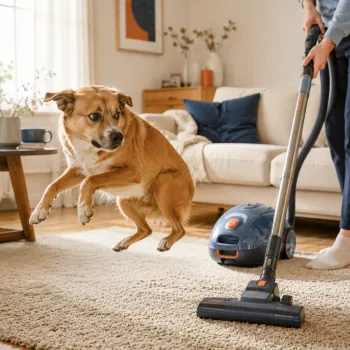
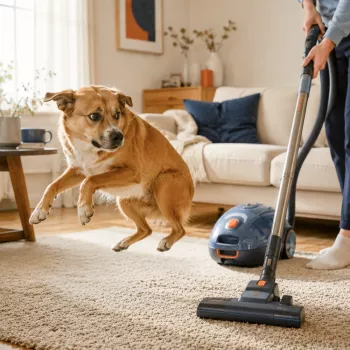
If specific noises or events trigger fear, work in small steps. Pair the trigger at a very low intensity with treats and calm praise, then gradually increase exposure only when your pet stays relaxed. If vacuuming is a major problem, follow a structured plan for noise sensitivity and step-by-step acclimation in this guide: https://elitarie.com/guide-vacuum-anxiety-in-pets-calm-steps-for-dogs-and-cats/.
Know when to call the vet
Sudden behavior changes, persistent hiding, appetite loss, or aggression can signal pain or illness. If stress is intense or escalating, a veterinarian can rule out medical causes and discuss behavior support options.
FAQ
What are signs my pet is stressed?
Common signs include hiding, trembling, excessive licking, pacing, panting (in dogs), overgrooming (in cats), changes in appetite, and unusual vocalizing. Stress can also show up as accidents in the house or increased irritability.














Leave a comment