


Signs Your Cat Likes You: Blinks, Bumps, and More
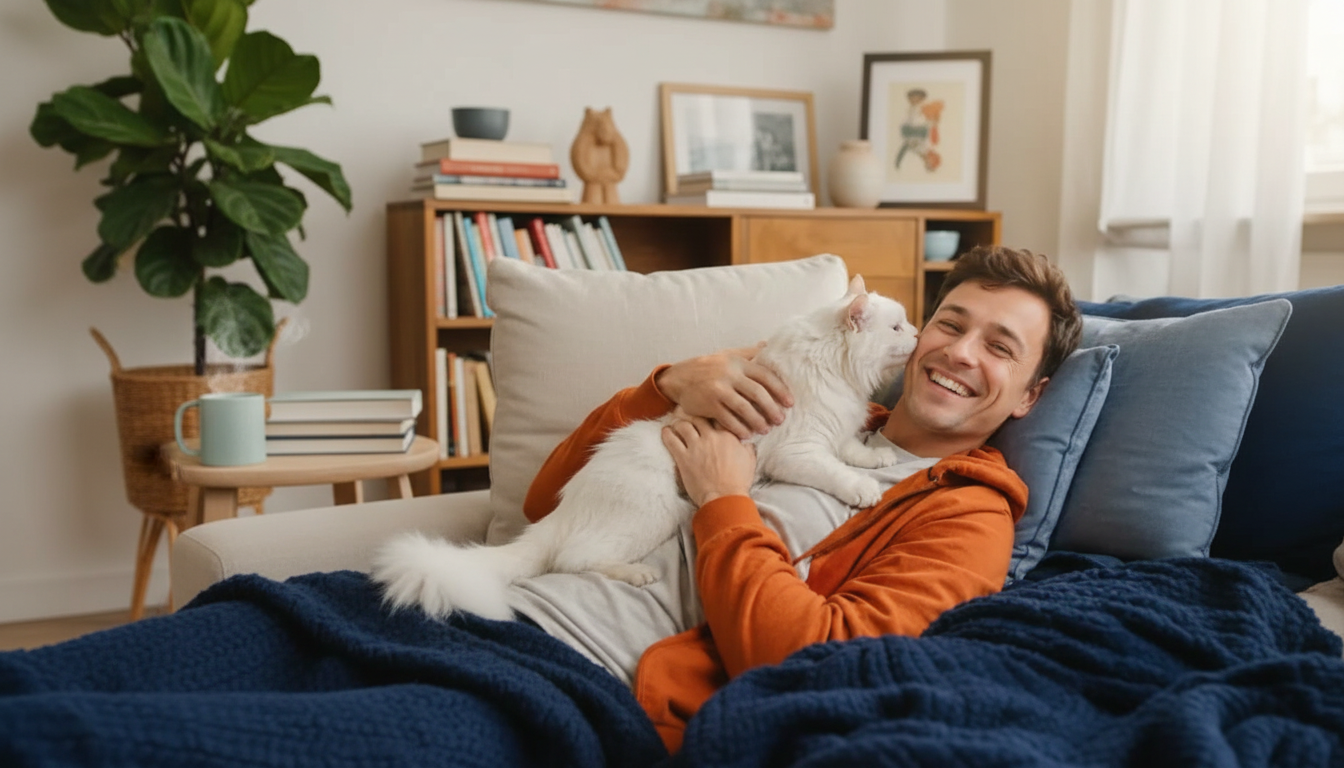
How do you tell if a cat likes you?
Cats show affection in subtle, consistent ways. Instead of looking for one “big sign,” pay attention to clusters of friendly signals that happen when you’re nearby—especially if your cat relaxes, chooses to stay close, and initiates gentle contact.
Signs a cat likes you
Slow blinks and soft eyes
If your cat looks at you with relaxed eyelids and gives a slow blink, that’s a strong sign of trust. Returning a slow blink can be a calm, respectful way to “say hi” back.
Head bumps, cheek rubs, and scent marking
When a cat bunts (head-butts) you or rubs their cheeks along your hand or leg, they’re sharing scent and claiming you as safe and familiar. This is one of the clearest social bonding behaviors in cats.
Choosing to be near you
A cat that likes you often “hangs out” in the same room, follows you from place to place, or settles within a few feet. Even if they’re not on your lap, proximity is a big compliment in cat language.
Gentle touch: paws, kneading, and cuddling
Kneading on a blanket—or on you—usually means comfort and contentment. Some cats also place a paw on you, lean in, or curl up beside you as a quiet sign of affection.
Tail and body posture that says “safe”
Look for a tail held upright with a soft curve at the tip, a loose body, and ears that aren’t pinned back. These relaxed postures suggest your cat feels secure around you.
Friendly vocalizations and greetings
Many cats greet favorite people with short meows, trills, or chirps. Coming to meet you at the door, weaving around your legs, or “talking” back during calm moments can all signal social interest.
Want to decode the details of tails, meows, and posture more confidently? Visit this cat body language cheat sheet for a deeper guide to common signals.
FAQ
Why does my cat follow me everywhere?
Following you can mean your cat enjoys your company, feels safe near you, or has learned that being close leads to attention, play, or meals. If the behavior seems sudden or anxious, check for changes in routine or stressors.














Leave a comment